

- No products in the cart.

How a new experiment could save our coffee from climate change
Climate change stands as one of the most significant challenges of our time, impacting many facets of our lives, including coffee production. With rising temperatures and increasingly extreme weather patterns, coffee crops face severe threats. However, a new experiment promises to find solutions to protect coffee from the effects of climate change. In this article, we will explore this experiment, the methods it employs, and the potential it offers for a future of secure and sustainable coffee production.
The New Experiment
Introduction to the Experiment
The Innovea experiment, led by the non-profit organization World Coffee Research (WCR), aims to create new Arabica coffee varieties with increased resilience to climate change. This initiative represents one of the most extensive coffee breeding efforts of recent decades. Government agencies from nine countries, including Kenya, Rwanda, and India, are participating. Through traditional breeding and genetic analysis, the experiment seeks to develop varieties that are productive, disease-resistant, and possess excellent flavor qualities. Developing new varieties can take decades due to the slow growth of coffee trees, but researchers hope that combining traditional and modern methods will accelerate the process.
Objective of the Experiment
The primary objective of the Innovea experiment is to develop Arabica coffee varieties that are resilient to climate change and diseases while maintaining high yield and excellent flavor. Through this initiative, researchers aim to provide farmers with more options tailored to diverse production environments. This is particularly crucial for the survival and prosperity of farmers in regions severely affected by climate change. Additionally, the experiment aims to mitigate risks to overall coffee production, ensuring consistent quality and quantity. Finally, Innovea seeks to promote collaboration among coffee-producing countries, enhancing knowledge exchange and genetic material for achieving common goals.
Scientists and Researchers
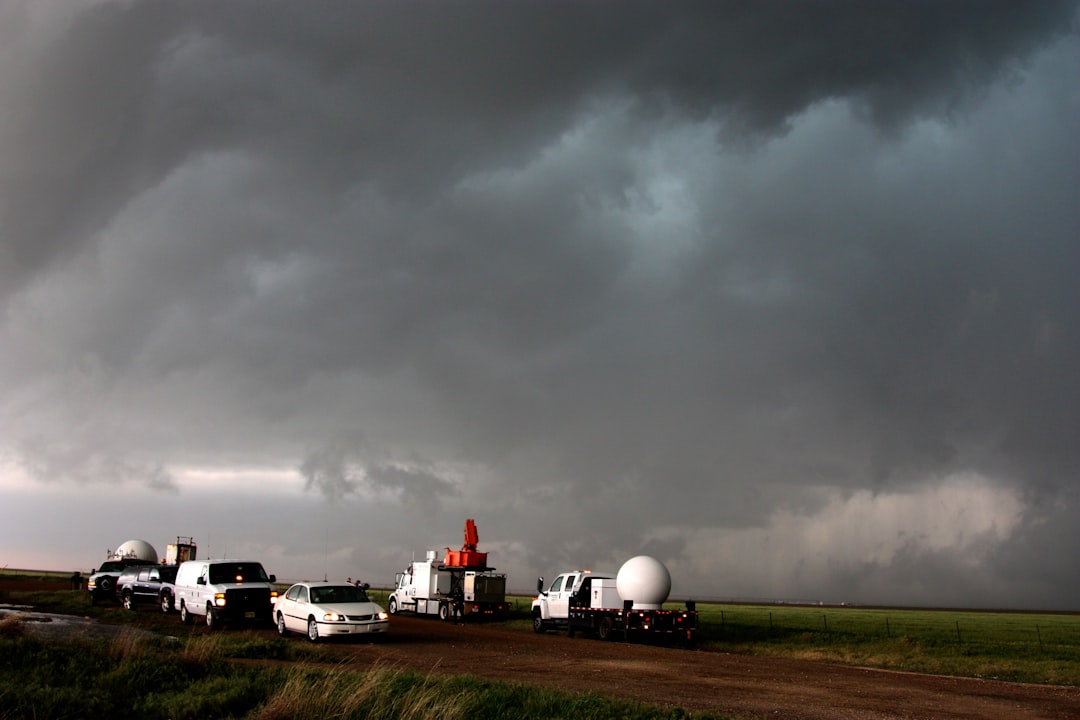
The Innovea experiment is supported by an international team of scientists and researchers specializing in plant genetics, agricultural science, and climate resilience. Led by Vern Long, CEO of World Coffee Research (WCR), the team integrates knowledge from universities, government research centers, and private companies. In Kenya, Jane Cheserek, a lead researcher at the Kenya Coffee Research Institute, plays a crucial role in adapting the new varieties to local conditions. This collaboration facilitates the exchange of knowledge and technology, enabling faster development and broader testing of new varieties. The use of low-cost genetic sequencing accelerates the breeding process, allowing researchers to identify genes associated with desirable traits and advance them for further development.
Cultivation Conditions
Environmental Challenges
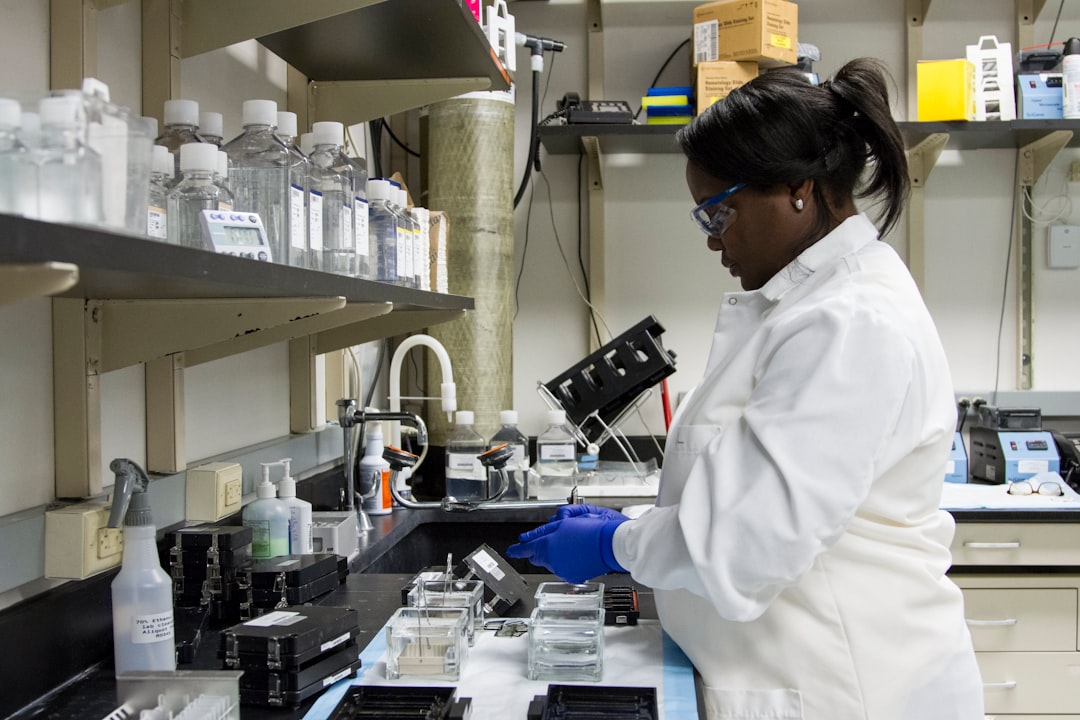
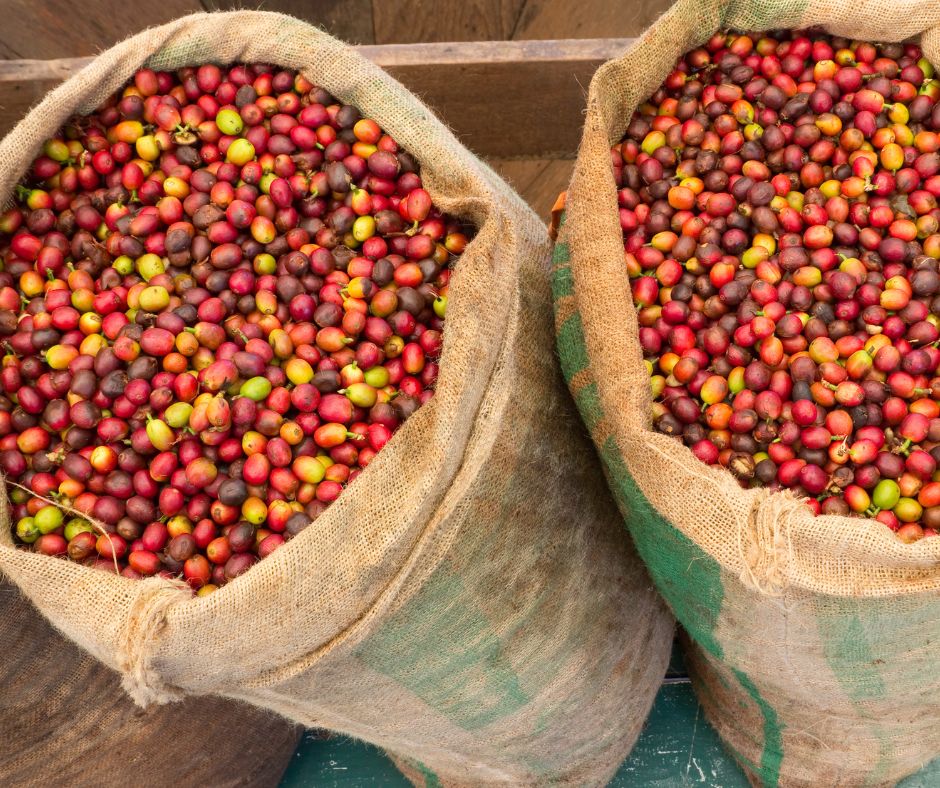
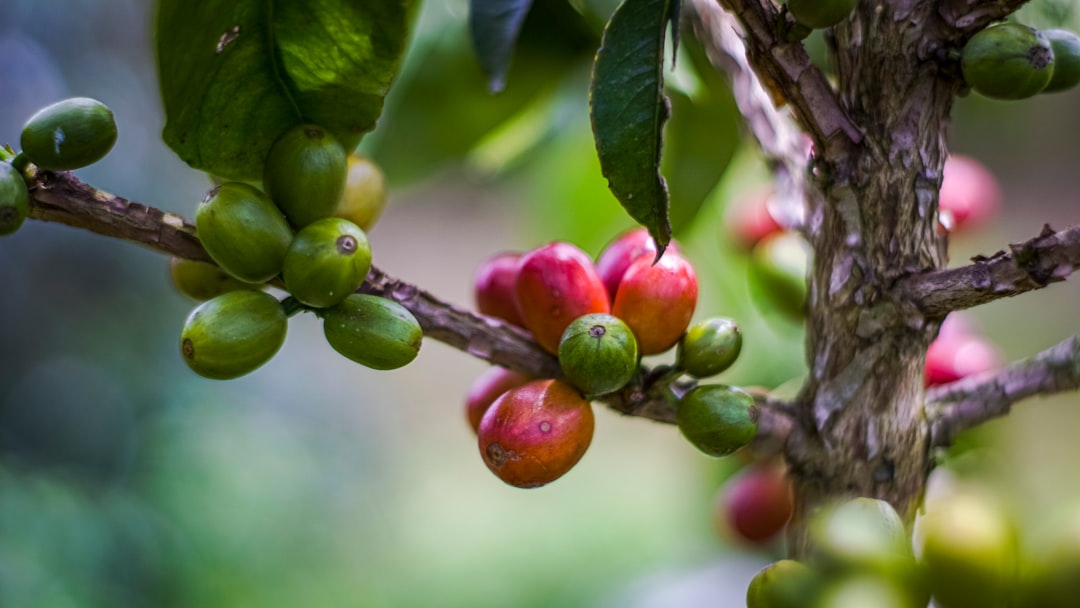
Coffee crops face significant environmental challenges due to climate change. Rising temperatures and shifts in rainfall patterns directly impact the growth and yield of coffee plants. Higher temperatures can reduce the quality of coffee cherries and increase the plants’ susceptibility to diseases and pests, such as coffee leaf rust and coffee berry borer. Additionally, unstable rainfall leads to extreme fluctuations in production volume and quality. Regions that were traditionally ideal for coffee cultivation may no longer be suitable, prompting farmers to seek new growing areas at higher altitudes. However, this endeavor has its limitations, as the available land decreases with increasing altitude.
Adaptive Strategies
To address environmental challenges, coffee growers adopt various adaptive strategies. One of the most significant is the use of “shade trees” that help regulate temperature and reduce direct sunlight on coffee plants. These trees not only protect coffee from excessive heat but also improve soil fertility by adding organic matter. Additionally, farmers invest in improving irrigation systems to better manage unstable rainfall. Soil regeneration through the use of natural fertilizers and the selection of coffee varieties more resistant to diseases are also critical strategies. Moreover, educating and supporting farmers in better agricultural practices plays an essential role in adapting to new climatic conditions.

New Technologies
The use of new technologies plays a crucial role in improving coffee cultivation conditions and addressing the challenges of climate change. Genetic sequencing allows researchers to identify genes associated with desirable traits, such as disease resistance and adaptation to different climatic environments. Precision agriculture techniques, such as soil sensors and drones, help farmers monitor their crops in real-time and make more informed decisions about irrigation and fertilization. Additionally, data management systems enable better recording and analysis of agricultural practices, facilitating their adaptation to changing conditions. These technological innovations significantly contribute to improving the productivity and sustainability of coffee cultivation, offering solutions for a more resilient agricultural future.

The Results
Early Findings
Early findings from the Innovea experiment are already encouraging. So far, researchers have developed 30 new variety combinations from 16 selected parents, which have shown good performance in previous tests. The first plantings of these varieties in experimental plots have begun and are expected to continue until 2025. Although the trees have not yet reached full maturity, initial observations indicate that some of these varieties have high disease resistance and good yield. Researchers use modern genetic technology to accelerate the selection process of the most promising varieties, linking observed traits with plant DNA. These early data provide hope that the Innovea experiment will succeed in offering new, resilient coffee varieties that will help farmers adapt to climate change.

Data Analysis
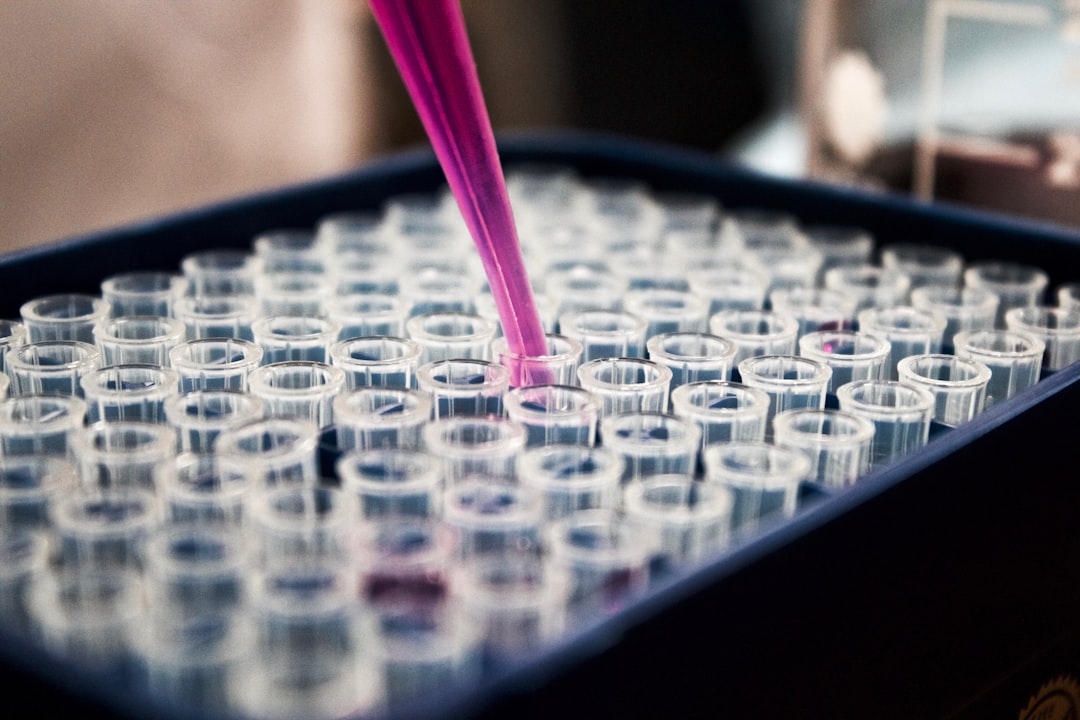
Data analysis is a critical component of the Innovea experiment, allowing the precise and effective evaluation of new coffee varieties. Using genetic sequencing, researchers can link specific genes with desirable traits, such as disease resistance and yield. This approach reduces the time required to develop new varieties, accelerating the selection process. Additionally, data from experimental plots are systematically collected and analyzed to identify environmental conditions affecting plant performance. This information is vital for adapting new varieties to different climatic environments. Continuous data analysis also helps identify varieties that do not meet expectations, allowing for quick correction and improvement of experimental methods.
Prospects and Next Steps
As the Innovea experiment progresses, the prospects for developing resilient coffee varieties are exceedingly promising. By 2030, researchers plan to create 100 new pre-commercial varieties for testing. Subsequently, they will collaborate with governments and farmers to select the best varieties and make them available for cultivation as soon as possible, potentially by 2036. These “final varieties” will belong to the governments of producing countries, ensuring that the benefits are shared equitably. Meanwhile, researchers will continue to improve genetic analysis methods and apply innovative techniques to speed up breeding. The next step involves expanding collaboration with more countries and organizations, strengthening international cooperation to tackle climate change and ensure the sustainability of coffee production.

Impact on Coffee
Benefits for Producers
The Innovea experiment brings significant benefits to coffee producers, particularly in areas affected by climate change. By developing resilient varieties, farmers will be able to grow trees that perform better under extreme climatic conditions, such as high temperatures and unstable rainfall. This will reduce the risk of crop loss and increase production stability. Additionally, the new varieties will offer higher resistance to diseases and pests, reducing the need for chemical pesticides and improving coffee quality. Producers will have more options to adapt their crops to local conditions, enhancing their economic viability. Finally, support from research centers and governments will strengthen the expertise and capabilities of producers, promoting more sustainable and resilient agriculture.

Impact on Quality
The development of new coffee varieties through the Innovea experiment is expected to positively impact coffee quality. The varieties developed are selected based not only on their resilience to climate change and diseases but also on their exceptional taste. This means that consumers will continue to enjoy high-quality coffee despite the challenges posed by climate change. Furthermore, improved agricultural practices and the use of shade trees contribute to the enhancement of coffee flavor and aroma, as cultivation conditions directly affect the organoleptic characteristics of cherries. Producers participating in the program will have the opportunity to produce high-quality coffee, which can be sold at higher prices in the market, thus boosting their income and promoting sustainable production.
Long-term Effects
The long-term effects of the Innovea experiment on coffee are significant and multifaceted. With the introduction of new, resilient varieties, farmers will be able to maintain consistent and high-quality production for many years, regardless of climatic changes. This will help ensure the global supply of coffee, meeting the growing demand and preventing potential shortages. Additionally, enhancing crop resilience will reduce the need for chemical pesticides and fertilizers, promoting more sustainable and environmentally friendly agriculture. Improved cultivation practices and farmer education will strengthen their economic viability, making coffee a more attractive and profitable sector. Finally, international collaboration will create a network of knowledge and innovation, fostering continuous improvement and adaptation to new challenges that may arise in the future.

Source: https://dailycoffeenews.com/